Budgeting Basics: The 50/30/20 Rule Explained
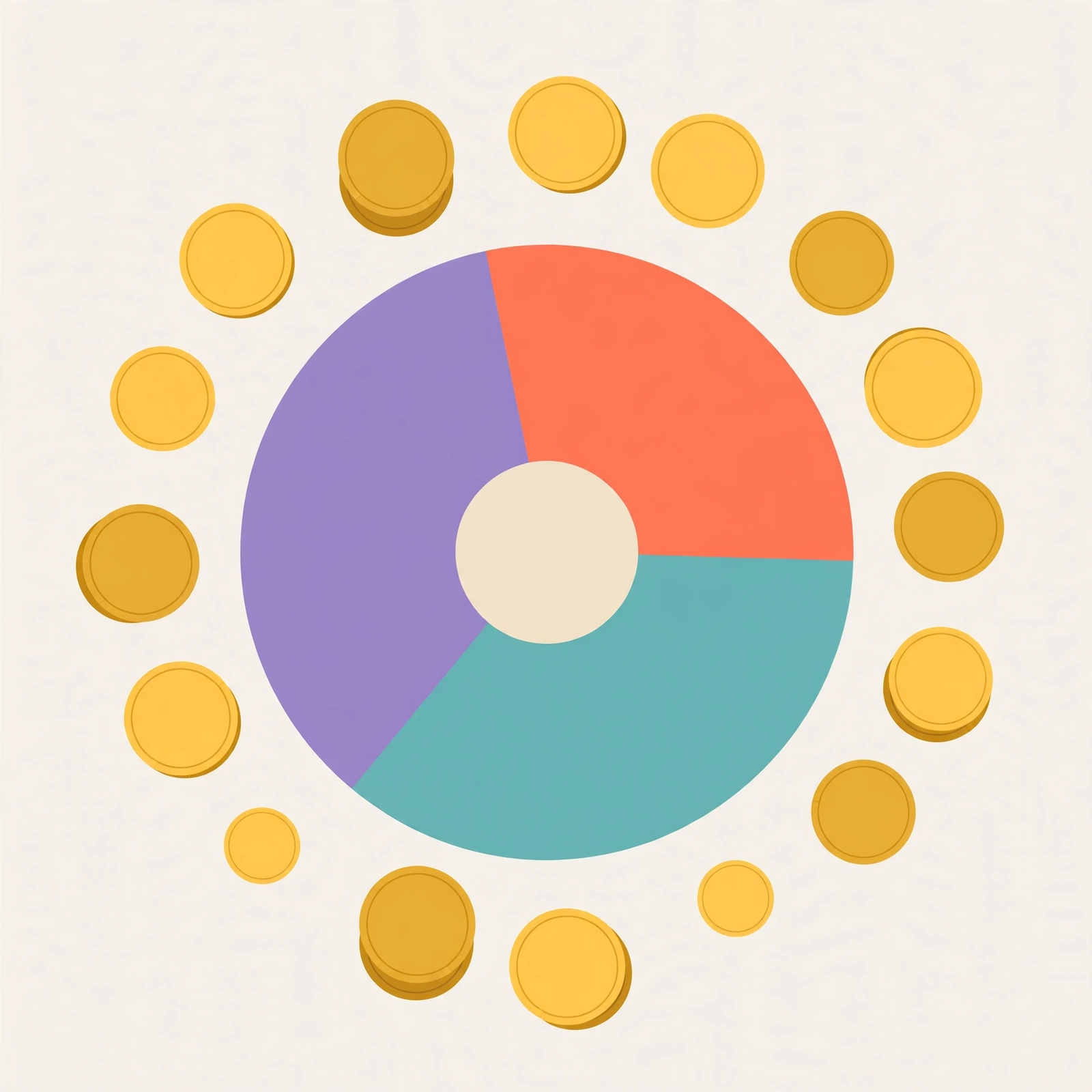
Most budgets fail because they're too complicated. The 50/30/20 rule survives because it fits on an index card: split your after-tax income into three buckets and you're done.
In-article ad slot — paste Google AdSense code here
The three buckets
- 50% — Needs. Housing, utilities, groceries, transport, insurance, minimum debt payments. The non-negotiables of staying alive and housed.
- 30% — Wants. Dining out, streaming, hobbies, travel. Not villains — just the part with the most flex.
- 20% — Future you. Extra debt payments, emergency fund, retirement savings. When you're in debt, this entire bucket goes to killing it.
A worked example
Take-home pay: $3,000/month
- Needs: $1,500 (rent $1,000, groceries $300, transport $120, phone $80)
- Wants: $900
- Debt payoff: $600
That $600/month extra against a $8,000 credit card balance at 20% clears it in about 15 months — versus 7+ years paying minimums.
When 50/30/20 doesn't fit
Be honest: in expensive cities, housing alone can eat 50%. The rule is a starting target, not a law. Adaptations that work:
- 60/20/20 — if housing costs are brutal, shrink "wants" to 20%.
- 50/20/30 — aggressive debt mode: wants drop to 20%, debt payoff jumps to 30%.
- Zero-based — every dollar gets a job before the month starts. More effort, more control.
The 5-minute budget setup
- Write down your monthly take-home pay.
- List fixed costs (rent, bills, minimums) — that's your "needs" baseline.
- Look at last month's bank statement and circle every "want" purchase. No judgment, just data.
- Assign the 20% to your highest-priority debt or savings first — pay yourself before you spend.
- Pick one tracking method: a notes app, a spreadsheet, or pen and paper. Fancy apps are optional.
A budget isn't a punishment. It's a plan that lets you spend on what you actually care about without the background anxiety.
The two budget killers
Perfectionism. One bad week doesn't ruin a budget — abandoning it does. If you overspend on wants, adjust next week instead of quitting.
Forgetting irregular expenses. Car insurance twice a year, holiday gifts, annual subscriptions — divide each by 12 and set that aside monthly, or they'll ambush you.
Start embarrassingly small
If you've never budgeted, don't build a 40-line spreadsheet. Track just one number for a month: total "wants" spending. Awareness alone typically cuts it by 10–15% — and that's your first debt payment found, not earned.